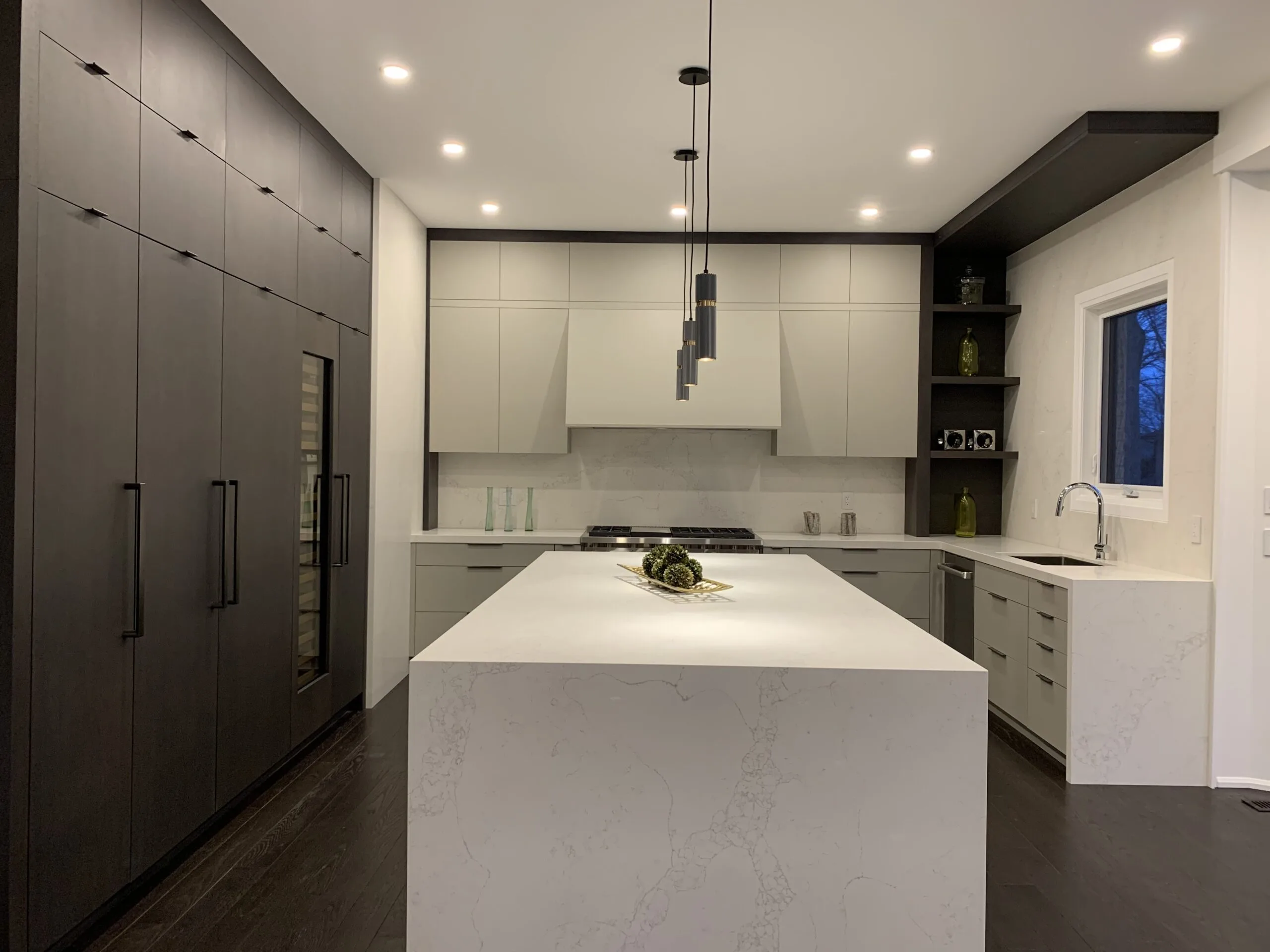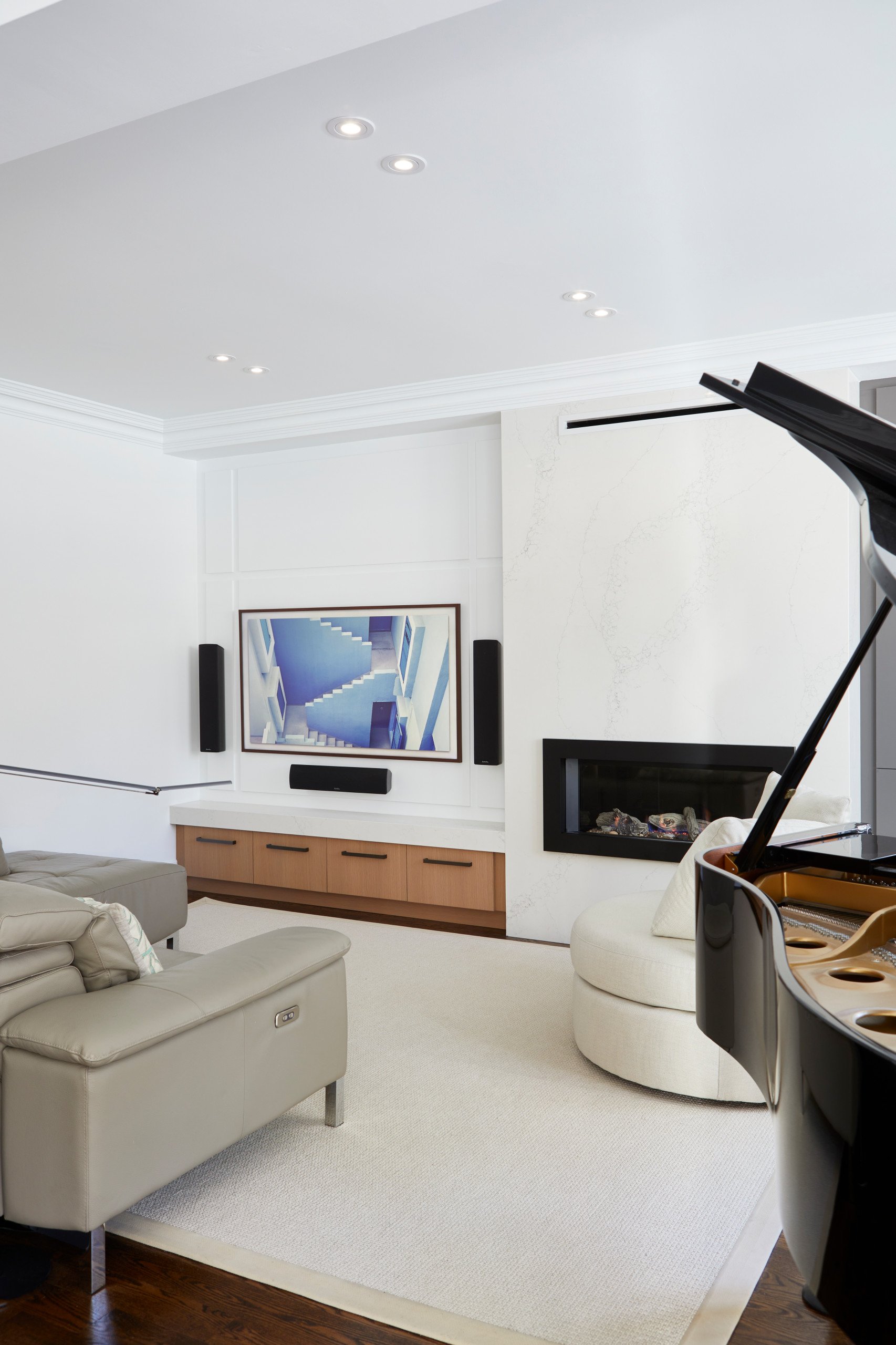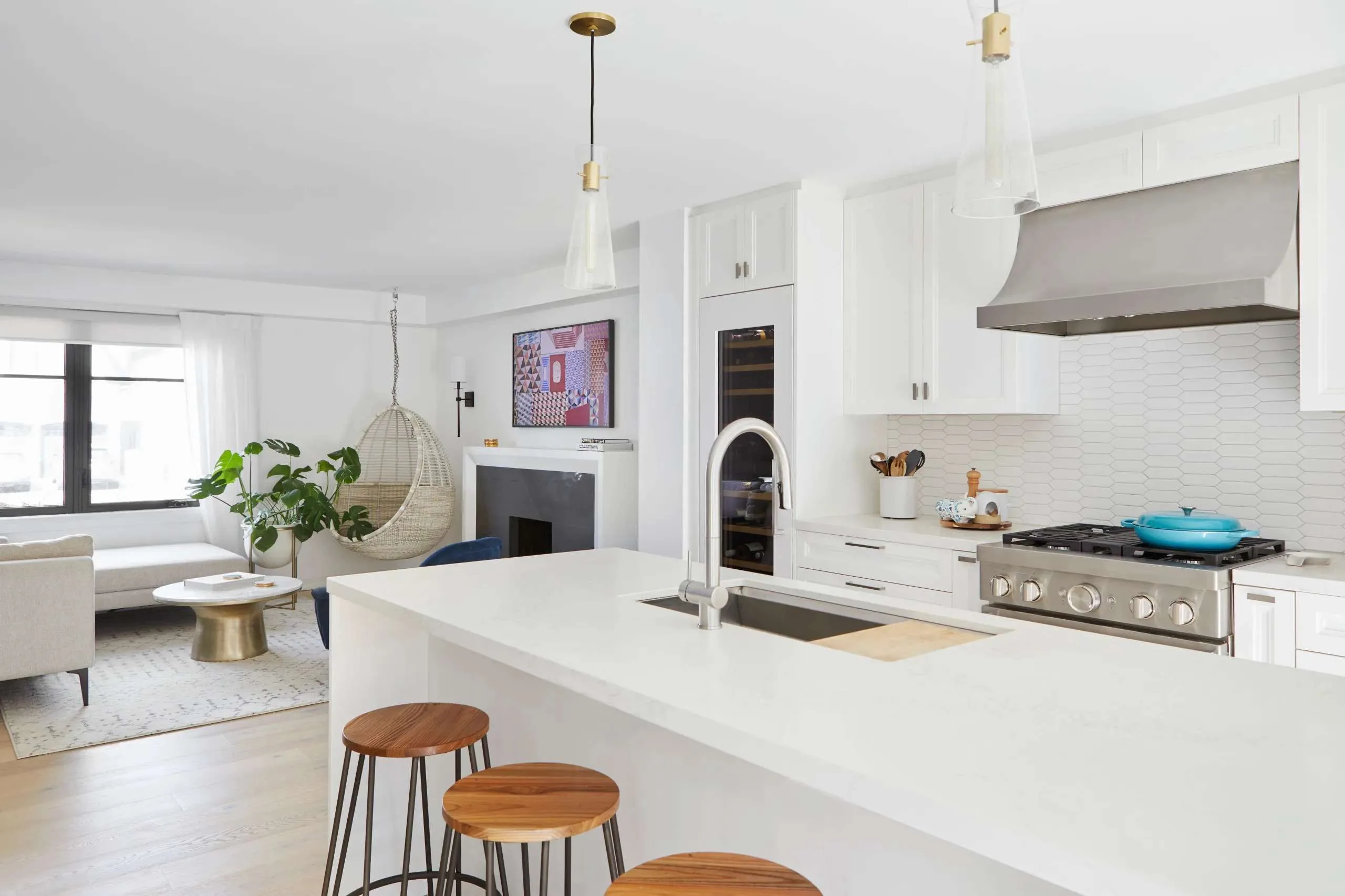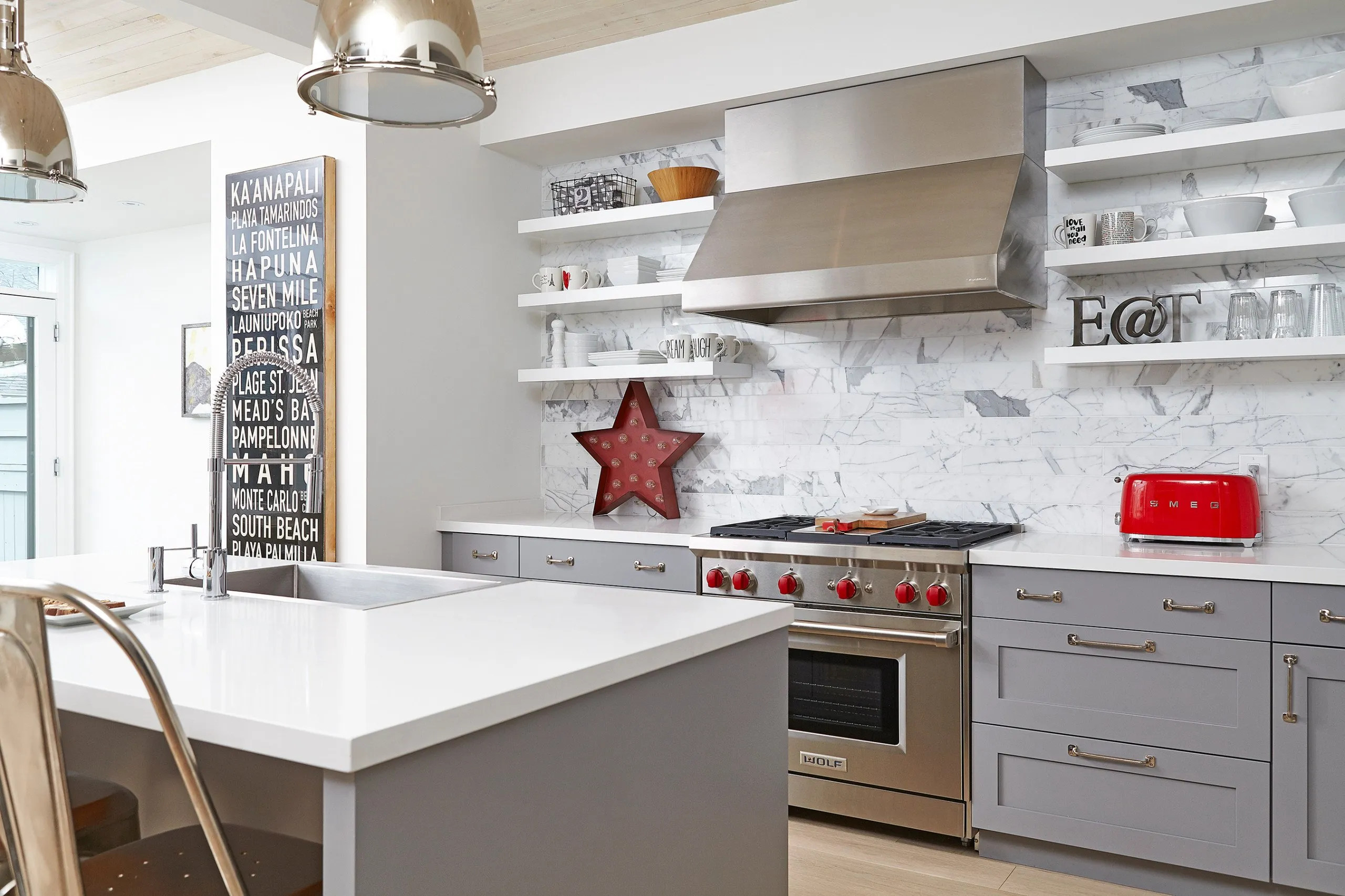



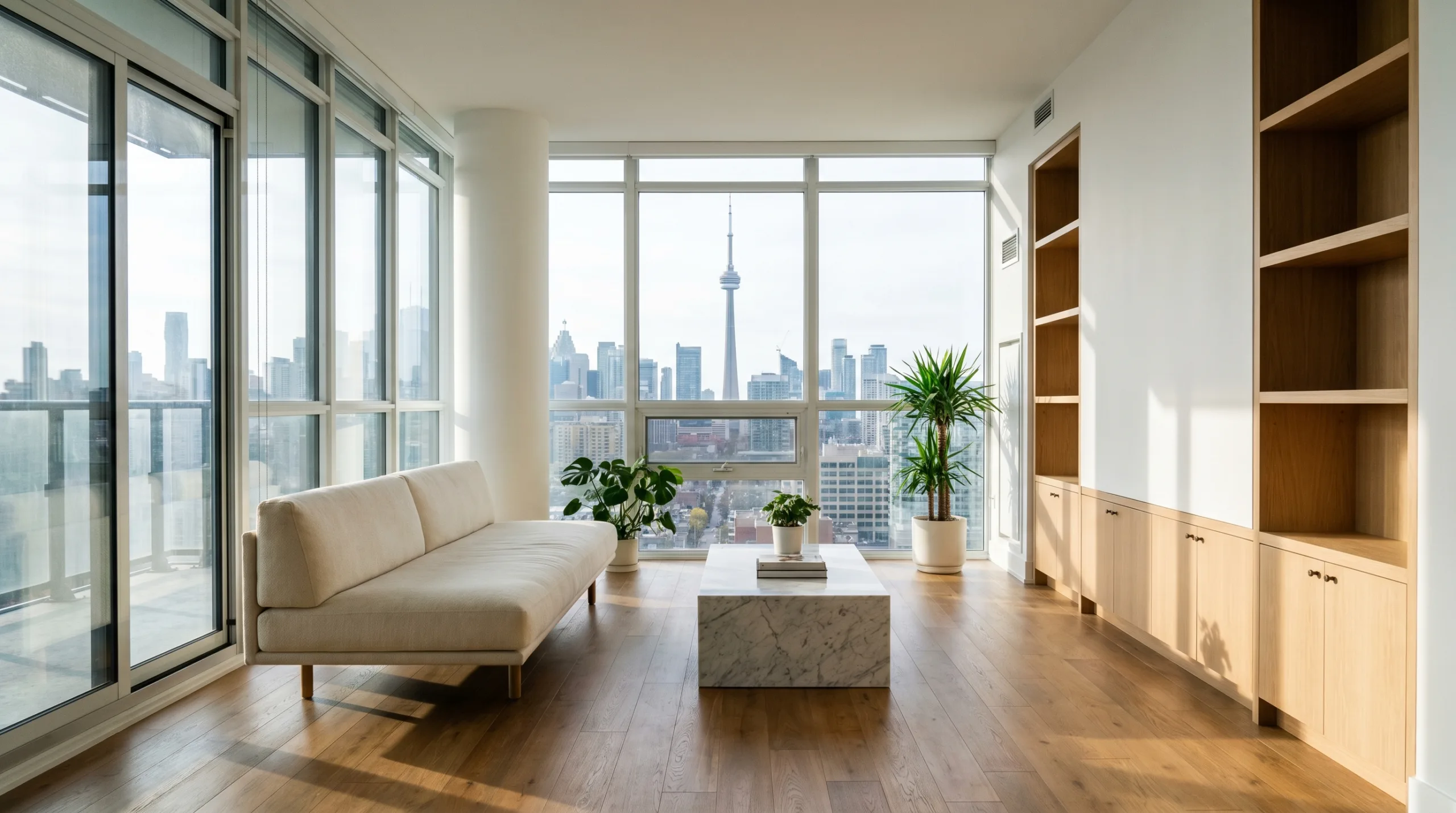


Downtown Toronto condo renovations look simple from the outside. Nice renders, clean furniture, polished kitchens. What most homeowners do not see is how many projects break down before construction even starts.
The biggest problems usually come from rushed decisions, weak planning, unclear budgets, and hiring teams in the wrong order.
At BKDP, many condo clients come after already speaking with contractors first. By then, pricing is inconsistent, layouts are unclear, and important design decisions are already locked too early.
A successful condo renovation starts before materials are selected. It starts with planning how the space should actually function day to day.
What Does an Interior Designer Do for a Condo Renovation in Toronto?
An interior designer for a condo renovation handles much more than selecting finishes or furniture.
A qualified interior designer in Toronto will typically:
- Assess the existing layout and identify spatial inefficiencies
- Develop a design brief based on how the client actually lives
- Produce technical drawings and space plans contractors can build from
- Specify materials, millwork, lighting, and fixtures with precision
- Coordinate with contractors, millworkers, and trades throughout construction
- Manage sequencing so work happens in the right order
- Ensure the finished space is cohesive, not a collection of individual decisions
Interior designers who specialize in condo renovations also understand the Toronto condo board approval process, which varies building to building and can significantly affect project timelines.
Without this layer, projects often become fragmented decisions made room by room. The result usually costs more over time.
How Much Does a Condo Renovation Cost in Toronto?
Most condo renovations in Toronto fall between $80,000 and $250,000.
The final cost depends on:
- Plumbing changes and relocations
- Electrical upgrades and panel work
- Custom millwork scope
- Flooring type and square footage
- Kitchen complexity and appliance specifications
- Bathroom count and finish level
- Condo board restrictions on materials or methods
- Material quality and sourcing
- Project management and design fees
Luxury condo renovations can exceed this range when layouts are fully redesigned or when imported materials and custom fabrication are involved.
Smaller cosmetic upgrades may cost less, but many projects become expensive because important issues were missed during the planning phase.
Interior designer fees in Toronto typically range from 10% to 20% of total construction cost, depending on project scope and the level of service involved. Full-service design, where the designer manages the entire process, will sit at the higher end. Concept-only or design-direction services cost less but transfer more coordination responsibility to the client.
What Is the Difference Between an Interior Designer and an Interior Decorator in Toronto?
This distinction matters in Ontario.
In Ontario, the title “interior designer” is regulated. Registered Interior Designers of Ontario (RIDO) members have formal education, technical training, and can produce construction drawings. They understand building codes, spatial planning, and project coordination at a professional level.
An interior decorator focuses primarily on aesthetics: furniture selection, color palettes, styling, and surface-level decisions. Decorators do not typically produce construction documents or manage trades.
For a condo renovation involving layout changes, millwork, plumbing, or electrical work, a qualified interior designer is the appropriate professional to hire. For a refresh involving furniture, textiles, and accessories only, a decorator may be sufficient.
BKDP operates as a full-service interior design firm, not a decoration or staging service.
Why Condo Renovations in Toronto Often Get Delayed
One of the biggest surprises for condo owners is how much control condo boards have over renovation timelines.
Many Toronto condos have strict rules around:
- Working hours (often 8am to 5pm weekdays only)
- Elevator bookings for material delivery and debris removal
- Noise limits on certain days
- Plumbing shutdown approvals requiring advance notice
- Insurance certificates for all contractors on site
- Contractor documentation and building registration
Older downtown towers also bring hidden issues: outdated electrical systems, uneven flooring, unexpected plumbing stack configurations, and original mechanical systems that limit what changes are possible.
Good planning reduces these risks early. A condo interior designer in Toronto who has worked across multiple buildings will have encountered most of these situations before and can plan around them.
Should You Hire an Interior Designer Before a Contractor in Toronto?
In most cases, yes.
Many homeowners believe contractors will guide the full renovation strategy. In reality, contractors are focused on execution and construction logistics. They price and build what they are given. If they are not given proper drawings, they price based on assumptions.
An interior designer helps define:
- Layout direction and flow between spaces
- Material consistency across the full project
- Storage planning tied to how the client actually uses the space
- Lighting strategy including natural light, ambient, task, and accent layers
- Long-term functionality, not just immediate aesthetics
- Visual cohesion across kitchen, bathrooms, and living areas
Hiring an interior designer before a contractor in Toronto also leads to more accurate pricing. Contractors bidding from complete design drawings give more reliable numbers than those pricing from vague descriptions.
How to Find a Good Interior Designer in Toronto for a Condo
The Toronto interior design market is large. Not every firm is suited to condo work specifically.
When evaluating a Toronto interior designer for a condo project, look for:
- A portfolio that includes completed condo renovations, not just houses or commercial spaces
- Demonstrated experience with custom millwork and space planning in tight floor plans
- Clear communication about their process, fees, and what they do and do not handle
- References or case studies from past condo clients
- Familiarity with Toronto condo board procedures
Avoid firms that jump to material selection before understanding how you live. The planning stage should come first.
Interior Designer Toronto vs. House Interior Designer Toronto: Is There a Difference?
Yes, meaningfully so.
House renovations typically involve more square footage, different structural possibilities, and fewer third-party restrictions. A house interior designer in Toronto works within municipal permit requirements and the client’s own decisions.
A condo interior designer in Toronto must also navigate:
- Building-specific condo board rules
- Shared mechanical systems with fixed locations
- Structural limitations in concrete construction
- Load-bearing constraints that prevent many layout changes possible in a house
- Strict waste and debris protocols in high-rise buildings
Some Toronto interior design firms specialize in one type of project. BKDP works across both condo and house renovations and treats each as a distinct planning problem.
Home Renovation Interior Designer Toronto: What the Full Process Looks Like
For clients who have never worked with an interior designer on a home renovation in Toronto, the process is generally structured in phases:
Phase 1: Discovery and Programming Understanding how the client lives, identifying what is not working in the current space, establishing a realistic budget, and defining project goals before any design work begins.
Phase 2: Concept Design Spatial planning, layout options, mood direction, and preliminary material direction. At this stage, decisions are still flexible.
Phase 3: Design Development Detailed drawings, material specifications, millwork design, lighting plans, and finish schedules. This is what contractors price from.
Phase 4: Construction Documentation Final technical drawings, contractor coordination, and condo board submission packages if required.
Phase 5: Construction Administration Site visits, trade coordination, problem-solving as construction issues arise, and quality review before project completion.
Not all Toronto interior design firms offer all phases. Some offer design-only services. Others manage the full process. Understanding what is included before signing a contract prevents misaligned expectations.
The Biggest Condo Renovation Mistakes
Most renovation mistakes happen before demolition starts.
Common examples include:
- Underestimating storage needs in a space where storage is already limited
- Ignoring lighting planning and relying on builder-grade fixtures
- Choosing materials too early before layout decisions are finalized
- Designing only for aesthetics without planning for daily function
- Not planning around real daily habits, routines, and circulation patterns
- Prioritizing current trends over long-term livability
- Hiring a contractor before drawings exist, leading to inconsistent pricing
A beautiful condo that functions poorly becomes frustrating very quickly. Good design should reduce stress, not create more of it.
What Makes a High-End Condo Renovation Feel Expensive
Expensive-looking spaces are rarely about luxury materials alone.
The difference usually comes from:
- Consistent detailing carried through every room
- Proper lighting that layers ambient, task, and accent sources
- Clean transitions between flooring, millwork, and ceiling planes
- Proportion: furniture scaled correctly to the space
- Thoughtful layouts where nothing feels like an afterthought
- Custom millwork that fits the space rather than furniture that approximates it
- Visual calm rather than visual noise
- Material restraint: fewer materials used more intentionally
Many premium condo interiors actually use modest materials. What makes them feel elevated is precision in how those materials are applied.
Design-Build vs. Hiring Separate Teams for a Toronto Condo Renovation
Some homeowners coordinate separate designers, contractors, millworkers, and consultants independently. Others prefer a design-build structure where planning, design, and execution stay connected under one process.
The advantage of a connected workflow includes:
- Clearer accountability when something does not go as planned
- Fewer communication gaps between the design intent and what gets built
- Faster approvals because the design and build teams are already aligned
- Better budget control because cost implications are considered during design, not after
This matters especially in downtown Toronto condos where timing, coordination, and condo board scheduling affect how the project runs.
Is Hiring an Interior Designer Worth It for a Condo in Toronto?
For many condo owners, the answer becomes clear after construction starts.
A well-planned condo renovation can:
- Improve daily comfort by designing around actual habits rather than assumed ones
- Increase storage efficiency through custom solutions rather than furniture workarounds
- Reduce costly mistakes that come from underdeveloped drawings or rushed material decisions
- Improve resale value through cohesive, well-executed design choices
- Simplify contractor coordination by providing clear documentation
- Create a more cohesive living experience that holds up over years, not just at completion
The goal is not simply making a condo look modern. The goal is creating a space that continues to work properly years later.
Common Questions About Interior Designers in Toronto
How long does a condo renovation take in Toronto? Most full condo renovations take between four and ten months from initial design to construction completion, depending on scope, condo board approval timelines, and contractor availability.
Do I need permits for a condo renovation in Toronto? It depends on the scope. Cosmetic changes typically do not require permits. Layout changes, plumbing relocations, electrical upgrades, and structural modifications usually do. Your interior designer or contractor can advise on what your specific project requires.
Can an interior designer help with a partial condo renovation? Yes. Some clients renovate in phases due to budget or timing. A good interior designer will plan the full vision first so that phased work does not create inconsistencies later.
What should I bring to a first meeting with a Toronto interior designer? Photos of spaces you like, a clear sense of your budget, a list of what is not working in your current space, and an honest picture of how you actually live. The more specific you are at the start, the better the outcome.
Final Thoughts
Toronto condo renovations are rarely just about finishes.
They involve planning, coordination, restrictions, budgeting, functionality, and long-term decisions that affect daily life.
The earlier these decisions are handled properly, the smoother the renovation process becomes.
For homeowners looking for a balanced approach between quality, planning, and realistic execution, working with an experienced Toronto interior design team early in the process can prevent many of the problems that make renovations stressful later on.
BKDP is a Toronto-based interior design firm working across condo and residential renovation projects. Their approach prioritizes planning and spatial function before material selection, with the goal of producing spaces that work as well as they look.